2 hr 30 min
Djerba Explorer: Crocodile Park & Lalla Hadria Museum
Meet 400 Nile crocodiles and explore 1,000+ art pieces at this family adventure with hotel transfers
Reserve
Hand-picked by our editors — only the best 5 experiences from 18 reviewed.
Verified partners for every tour, free cancellation where available, and instant confirmation on every booking.
2 hr 30 min
Meet 400 Nile crocodiles and explore 1,000+ art pieces at this family adventure with hotel transfers
Reserve
3 hr
Experience Tunisia's premier wildlife and heritage attraction with 400+ Nile crocodiles, reptile encounters, and Islamic art collections
Reserve
4 hr
Explore pottery workshops, street art, sacred sites, and bustling markets in a compact island adventure
ReservePrices from verified partners. Availability updates in real time at checkout. Free cancellation policies apply where shown.
The landmarks, rooms, and views travelers on this tour remember — all visible on a single visit.
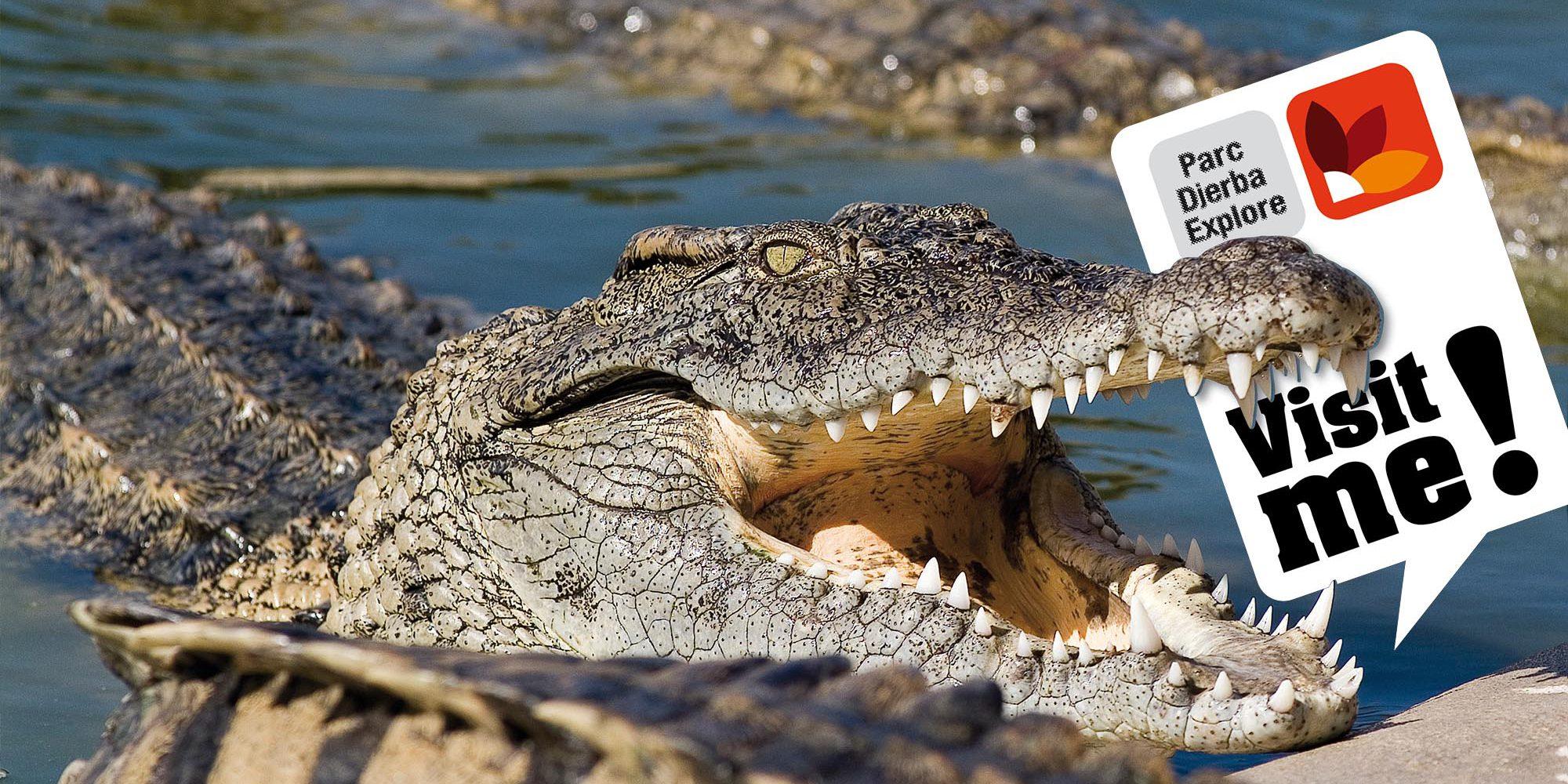
Observe hundreds of crocodiles in a managed habitat including a 17:00 feeding session.
This museum holds thousands of Islamic art pieces and historical ceramics.
A replica village demonstrating local Djerbian lifestyle and architecture.
Elevated paths allow safe viewing of the crocodile pools from above.
Djerba Explore Park offers a broad mix of wildlife and heritage, whereas the Guellala Museum focuses deeply on ethnographic displays; most visitors find the crocodile farm the more thrilling choice for an interactive experience. Those researching the djerba crocodile farm tickets price often prefer the comprehensive variety found at the park, while cultural purists gravitate toward the museum.
| Feature | Top pick Djerba Explore Park | Guellala Museum |
|---|---|---|
Primary Focus |
Crocodiles and heritage | Ethnographic history |
Entrance fee |
37 TND (adults) | Approx. 8 TND |
Typical duration |
2–3 hours | 1–2 hours |
Best for |
Families and wildlife fans | Culture and history lovers |
Key feature |
Nile crocodile feeding | Traditional Djerban life displays |
Atmosphere |
Leisure and entertainment | Educational and quiet |
| See tickets → |
Verdict: For travelers prioritizing diverse entertainment and djerba crocodile farm tickets price value, Djerba Explore Park is the superior destination, while the Guellala Museum is best for a budget-friendly, immersive dive into local traditions.
Choose your ticket, select your date, and reserve in under two minutes. Secure checkout handled by our verified partner.
Instant confirmation by email, with a mobile voucher you can save offline. No printing, no queuing at a collection desk.
Arrive at the entrance, show your voucher on your phone, and walk in. Most tickets include priority or skip-the-line access.
Practical details for your visit straight from our verified partners — hours, access, rules, and how to get there.
Route touristique de Midoun
Ticket booth located at front gate
Most convenient method from major hotels on the island.
Follow signs for Midoun to reach the parking area.
Casual and comfortable clothing is appropriate for Djerba Explore Park. Wear walking shoes suitable for outdoor paths.
Small personal bags are permitted. All visitors may be subject to a security check upon arrival at Djerba Explore Park.
Photography is permitted throughout the farm. Do not use flash when near the animal enclosures to avoid disturbing them.
The paths around the crocodile enclosures are paved and wheelchair accessible. Most museum galleries within Djerba Explore Park provide step-free access.
Mobile phones are permitted for photos and personal use. Please remain aware of your surroundings near the enclosures.
Strollers can be used easily throughout the site. Children must be supervised at all times near the crocodile ponds.
There are on-site cafes within Djerba Explore Park offering refreshments. Bringing your own water is recommended in the Tunisian heat.
Animals are not permitted inside Djerba Explore Park. Service animals may be allowed with prior notification.
The djerba crocodile farm tickets price covers access to the entire site. Ensure you plan your schedule to include the 17:00 feeding.
Best time to go, insider tips, nearby landmarks, and the cancellation fine print — flip through to skim what matters to you.
How crowds, weather, and events shift across the year.
Mild temperatures ideal for exploring the outdoor areas of the farm.
Expect high heat and peak visitor numbers; arrive when doors open.
Comfortable weather conditions, suitable for a djerba crocodile farm tickets price tour.
Cooler days provide a pleasant experience for walking between exhibits.
Small details that turn a good visit into a great one.
The crocodile feeding session occurs daily at 17:00. Prioritize your djerba crocodile farm tickets price tour to ensure you are present for this.
Non-bookable sights within a short walk — free to visit, easy to pair.
Houses a vast collection of Islamic art and historical artifacts.
A reconstructed local home showing traditional architecture.
Flexible, no hidden fees.
Entry tickets are non-refundable. The entrance fee is 37 TND.
Hand-picked options within walking distance — pick a district for vibe, or a specific hotel for convenience.
Beachfront resort access.
Standard amenities near the park entrance.
Central area with various budget options.
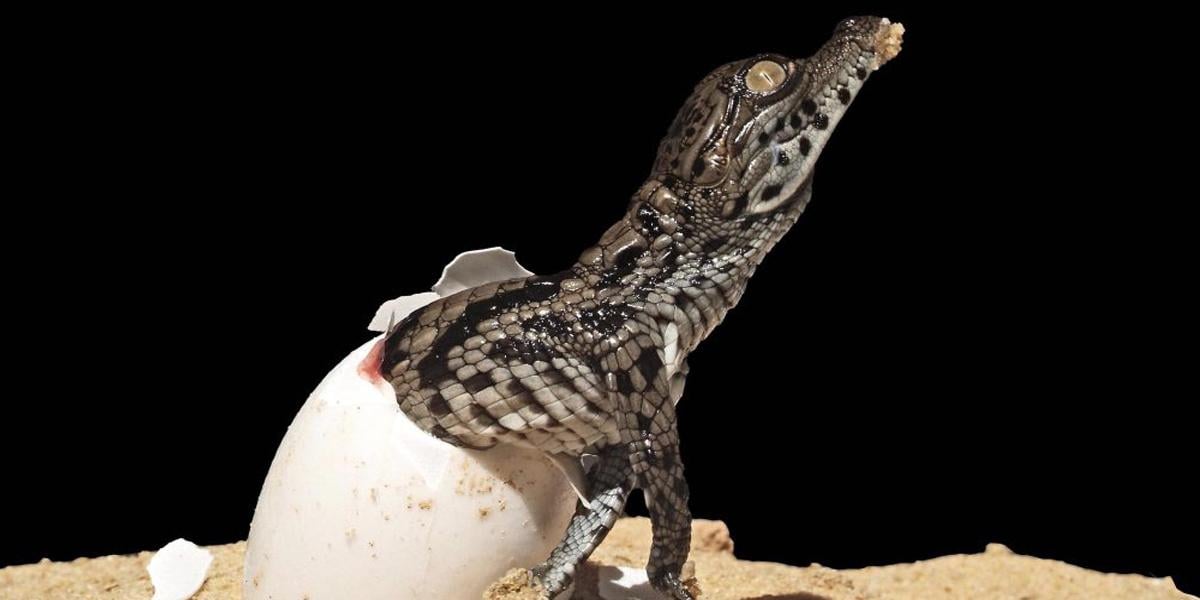
Four hundred Nile crocodiles inhabit the spring-fed lagoons at Djerba Explore Park, making it the Mediterranean's largest captive population of Crocodylus niloticus. Established in 1992 on a former saltwater marsh along Midoun's eastern coast, the 20-hectare site was built around natural underground aquifers that maintain water temperatures between 24 and 28 degrees Celsius year-round. The farm originated as a conservation response to declining wild populations in the Nile Delta, and breeding pairs were sourced from Madagascar and Kenya to ensure genetic diversity. Visitors seeking djerba crocodile farm tickets price information encounter a dual-site model: the reptile sanctuary operates alongside Lalla Hadria Museum, a 1,500-square-metre gallery housing Tunisian ceramics, Andalusian manuscripts, and Ottoman calligraphy dating to the 9th century. The museum addition in 2001 transformed the park from a single-focus wildlife attraction into a cultural corridor linking Berber heritage with North African biodiversity. Architect Abderrazak Cheraït designed the whitewashed gallery to mirror traditional Djerban fondouks, with interior courtyards that filter sunlight onto mosaic floors. The crocodile enclosures span six interconnected pools, each graduated by age and size. Hatchlings occupy shallow basins near the entrance, while breeding adults command the central lagoon, where a reinforced glass tunnel allows underwater observation. Daily feeding sessions at 17:00 draw the largest crowds; handlers use long poles to deliver whole fish and poultry, demonstrating the reptiles' jaw force of 3,700 pounds per square inch. Educational plaques in Arabic, French, and English detail crocodilian biology, conservation status, and the farm's role in supporting wild population studies through data-sharing agreements with the Tunisian Ministry of Environment. Beyond the reptiles, the park shelters Barbary partridges, Egyptian tortoises, and a small aviary of migratory waterfowl that rest here during Mediterranean crossings. A traditional Djerban village replica, complete with olive press and weaving looms, occupies the northern perimeter, offering context for the island's agrarian past. The site operates as both a conservation facility and a repository of material culture, anchoring djerba crocodile farm tickets price tours within a broader narrative of ecological and human history on this 514-square-kilometre island.
"Four hundred Nile crocodiles inhabit spring-fed lagoons at the Mediterranean's largest captive population of Crocodylus niloticus."
A step-by-step walkthrough of the visit — what you'll see, how long each stage takes, and the details that matter.
You arrive at the park entrance on Route Touristique, where whitewashed walls give way to a shaded courtyard planted with date palms. Admission grants access to both the crocodile enclosures and Lalla Hadria Museum, so most visitors begin with the reptiles before the afternoon heat intensifies. The path descends toward the first pool, where juvenile crocodiles bask on concrete islands. Informational panels explain growth rates and dietary needs. You continue to the central lagoon, where a glass tunnel drops below the waterline. Adult crocodiles glide overhead, their pale bellies visible through the reinforced panels. If you time your visit for 17:00, handlers arrive with buckets of fish, and the crocodiles surge forward in synchronized lunges. The spectacle lasts ten minutes, during which cameras capture the moment jaws snap shut on suspended prey. After the feeding, you cross into Lalla Hadria Museum. The cool interior offers relief, and you move through galleries displaying Andalusian ceramics, Berber jewelry, and Ottoman-era manuscripts. A final courtyard leads to the reconstructed village, where traditional looms and olive presses illustrate pre-industrial Djerban life. The djerba crocodile farm tickets price tour concludes here, roughly 90 minutes after entry.
The entrance fee is 37 TND for adults over 12 years.
The site focuses on general admission rather than specialized djerba crocodile farm tickets price tours.
The park is open daily from 09:00–17:30.
Arrive between 09:00–16:00 to enjoy the museum before the feeding session.
Yes, Djerba Explore Park is highly family-friendly with educational exhibits.
Official tickets are available at the site; please check the official site for updates on online djerba crocodile farm tickets price bookings.
Yes, the farm is wheelchair accessible throughout the main pathways.
Yes, you can take photos during your djerba crocodile farm tickets price visit, but avoid using flash.
The park remains open until 17:30 daily.
No pets are permitted inside the crocodile farm or museum area.